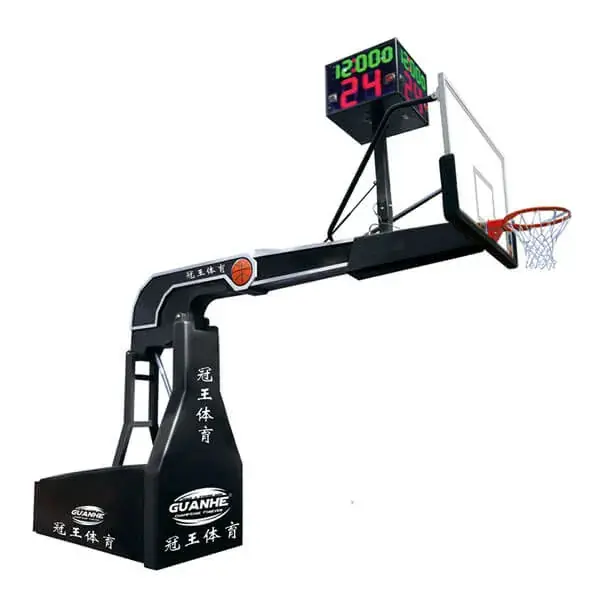
Sports goals and basketball systems are often sold with similar-looking photographs and very different installation requirements. Begin with the activity and the site. A community recreation area, a school training space and a competition venue may need different configurations. Write down what the equipment must do before comparing frame sizes, finishes or promotional claims.
Define the playing requirement
Identify the sport, intended users and whether the project needs to meet a particular organiser’s current requirements. Have the relevant responsible person confirm the dimensions and specification for the intended use. For basketball equipment, clarify the required backboard, ring and adjustment features. For goals, confirm the frame dimensions, net arrangement and how the equipment will be stored when it is not being used.
Understand the mounting and stability system
Ask whether the equipment is fixed, freestanding or designed to move between positions. Obtain the manufacturer’s installation and securing instructions for that exact system. A mobile design still needs a clearly defined procedure for safe use, movement and storage. Have a qualified installer evaluate the proposed site and any foundation requirements. Do not compare products as interchangeable simply because their visible frames are similar.
Look closely at the details that wear
Compare joints, fasteners, adjustment mechanisms, net attachment points and any wheels or moving parts. Ask how those components are inspected and replaced. For outdoor installations, request the material and finish specification and the recommended care routine. Check whether replacement nets, rings, backboards and protective components can be identified by part number. A practical parts catalogue is more useful than an unsupported promise of long service life.
Include the court and the surrounding space
Review the equipment position, the playing surface, access routes and required clear areas with the appropriate site professional. Consider how maintenance staff will reach the system and how movable equipment will be stored. Ask whether installation requires specialist lifting or handling equipment. Include these requirements, transport, unloading and installation labour in the comparison so the final quotation reflects the complete project.
Agree on acceptance and maintenance
Keep the approved specification, drawings and included components with the order. On delivery, check identification, visible condition and completeness before installation proceeds. Request operating labels, inspection guidance and the written warranty. Assign responsibility for regular checks and for taking damaged equipment out of service. A purchasing decision is stronger when the future maintenance team understands the system and can obtain the parts it needs.
- Confirm the intended use and the applicable project specification.
- Compare the complete mounting or securing system.
- Check replacement parts and maintenance instructions.
- Include freight, handling, installation and site work in the budget.
Source record: Vivamapio editorial
Community feedback
Have experience with this product? Share a useful detail with the community.