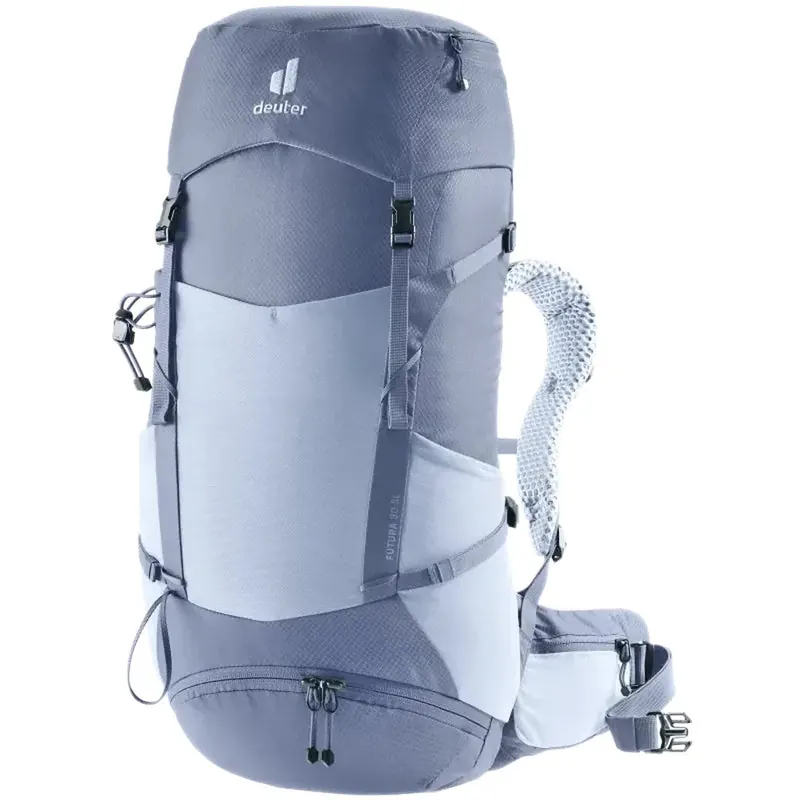
A backpacking kit is a collection of items that have to work together. Comparing each product in isolation can lead to a pack that is too small for the sleep system or a tent that does not comfortably hold the chosen pads. Start with the relationships between the pieces.
Describe an ordinary trip
Write down the expected trip length, transport, campsite arrangements, and likely conditions. Note which equipment you already own and which items will be shared. This creates a useful shopping brief without requiring an arbitrary target weight or a long list of upgrades.
Separate requirements from preferences. Required pad width, a compatible shelter, and enough pack space belong in the first group. A preferred color or pocket arrangement may matter to you, but should not hide a mismatch in the essential dimensions.
Compare complete packed systems
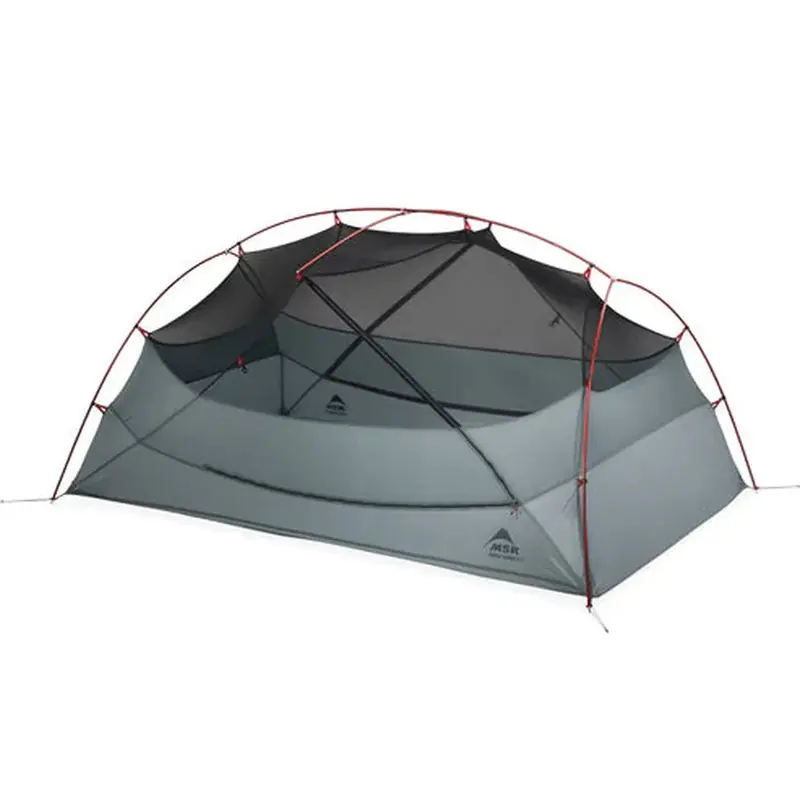
Put your proposed shelter, sleep system, clothing, cooking equipment, water containers, and personal items into a packing list. Include accessories that the headline specification leaves out. Check packed dimensions as well as weight. Two products with similar weights can occupy very different amounts of space.
For shared gear, write down who carries each component and what happens if the group separates. That is a planning question to resolve before selecting a smaller pack because another person usually carries part of the shelter.
Treat fit as a separate purchase decision
A capacity figure does not describe how a pack fits your body. Use the manufacturer's sizing and adjustment information and, where possible, compare the loaded fit in person. Check the return arrangements before ordering a size you have not tried.
Think about the way you access your gear during a normal day. If you frequently need a rain layer or water container, evaluate the relevant pockets and openings. A feature is useful when it supports that routine, not simply because it adds another line to a specification sheet.
Buy in a sequence that reduces uncertainty
Resolve the largest compatibility questions before choosing small accessories. You might confirm the dimensions of the shelter and sleep system, then test the packed volume before settling on a pack. Keep your shortlist small enough that you can explain the tradeoffs between the options.
Ask for current specifications and included components when requesting a quote. A coherent kit is the goal; replacing every item at once is not a requirement.
Source record: Vivamapio editorial analysis
Community feedback
Have experience with this product? Share a useful detail with the community.